Guided Medical Weight Loss
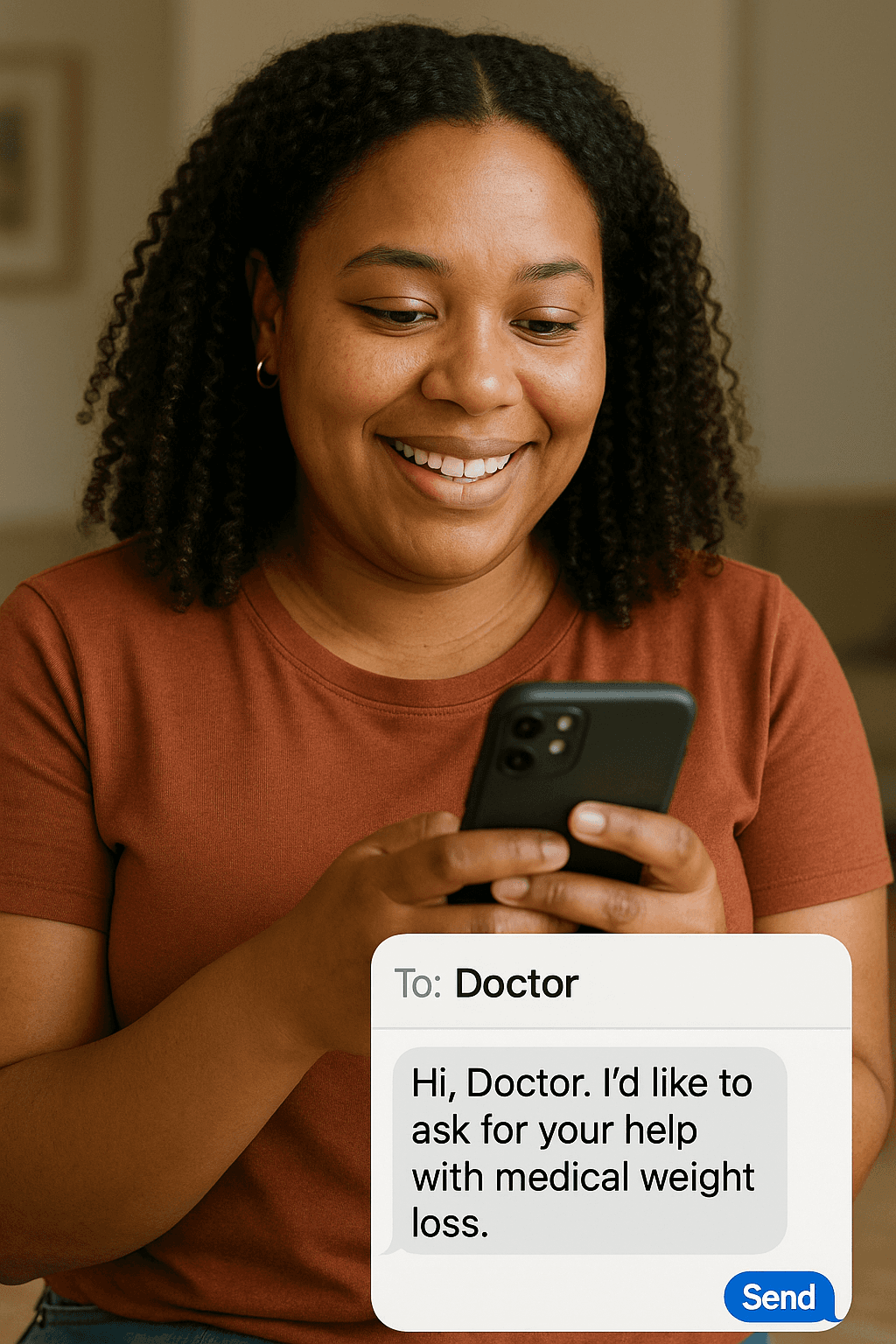
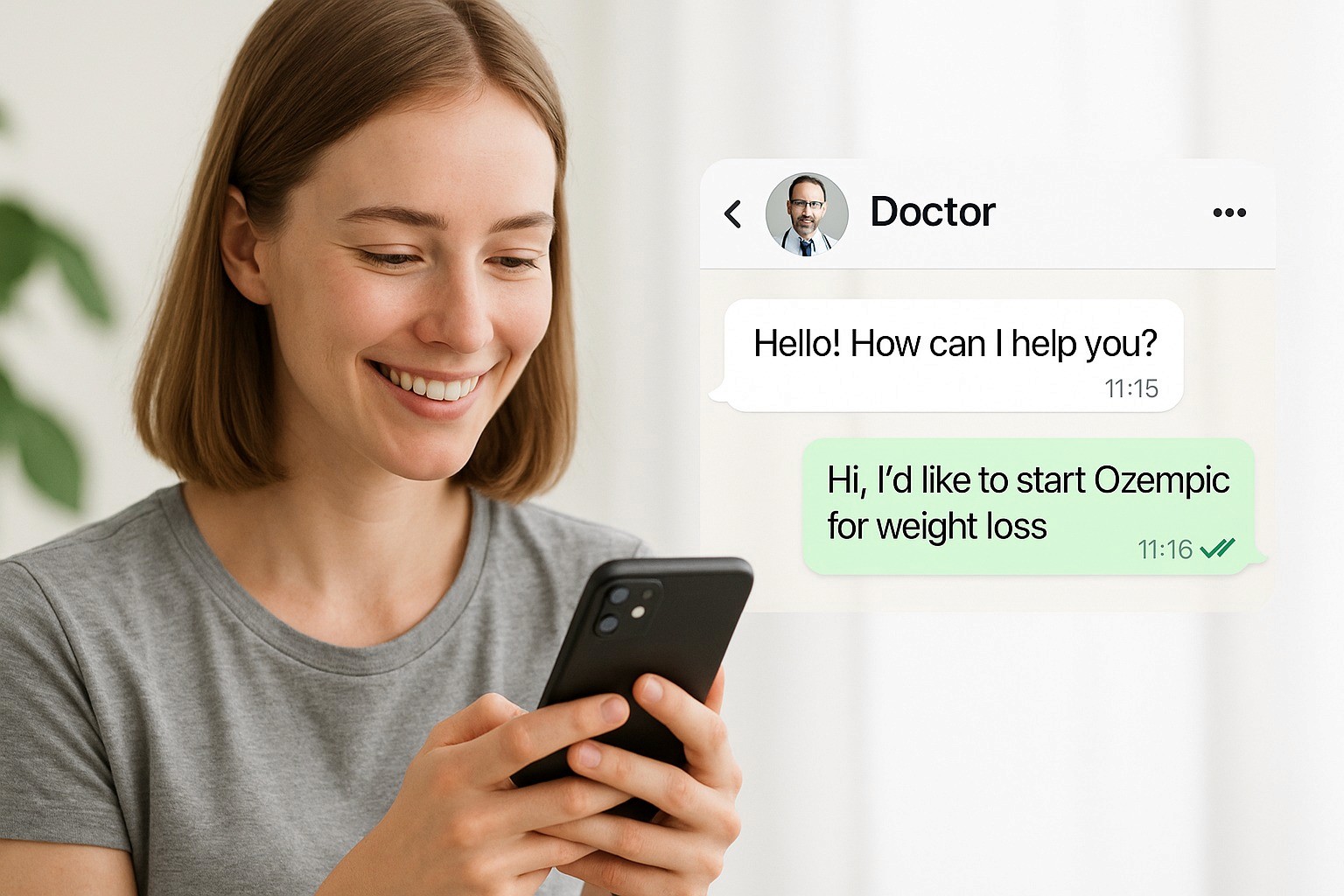
Online Medical Consultations & Prescriptions – Fast, Safe, and Private.
Fast
Get your consultation planned within 48 hours and start your weight loss journey under professional medical guidance
Easy
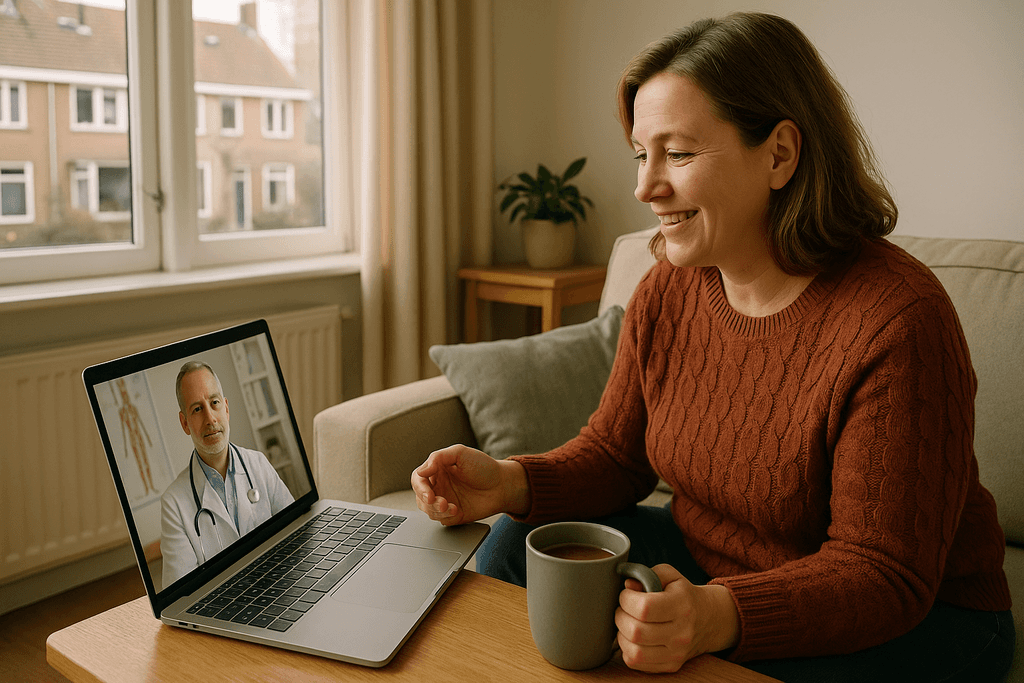
No clinics, no hassle. Just message us and we get you started with a video consultation
FAQ
What is medical weight loss?
A supervised, evidence-based approach to weight reduction involving licensed healthcare providers. Distinct from commercial or lifestyle-only programs by its clinical oversight , coaching, and use of medications.
Who is it for?
Individuals with a BMI ≥30 kg/m², or ≥27 kg/m² with comorbidities (e.g., diabetes, hypertension, NAFLD, PCOS).
Am i eligible?
You can usually join the program, unless you have certain chronic conditions that might interfere with it. We'll talk about this during your video consultation. Be sure to let your healthcare provider know if you've ever had issues with your pancreas, thyroid, or gallbladder.
What do I need to know beforehand?
Before you begin, it’s important to know that medical weight loss isn't a magic fix, but it can be a powerful tool when combined with healthy habits. After your video consultation, your personalized plan will begin. From that moment, you’ll have guidance and support, but your effort still matters. Here’s what to keep in mind: - You will still need to eat less than you burn. - The program may include medication, but calorie restriction is still key. Most people aim for a daily reduction of 500–750 kcal. This can lead to losing about 0.5–1 kg (1–2 pounds) per week. - Movement helps protect your muscles and boost your results. You don’t have to run marathons, even 150 minutes of walking per week (that’s about 20 minutes a day) can make a big difference. Add light strength training to protect your muscles while you lose fat. - Sleep is part of the plan. Poor sleep can stall your weight loss, increase hunger hormones, and affect your energy. Try to get 7–8 hours of quality sleep per night.
How much weight can I expect to lose?
Results vary from person to person, but based on clinical studies: Lifestyle programs alone (diet + exercise + coaching) lead to 5–10% weight loss over 6–12 months. – Source: Diabetes Prevention Program, NEJM 2002. GLP-1 medications like semaglutide (e.g., Wegovy) lead to average weight loss of 12–15% of body weight over about 68 weeks when combined with lifestyle changes. – Source: STEP 1 Trial, Wilding et al., NEJM 2021. With tirzepatide (a newer dual-action medication), weight loss can reach up to 20% of body weight in some patients. – Source: SURMOUNT-1 Trial, Jastreboff et al., NEJM 2022. That means if you currently weigh 100 kg, you could realistically lose 10 to 20 kg depending on the treatment plan and your personal efforts.
What are the risks?
Yes, medical weight loss treatments can come with some risks, but most are mild and manageable, especially when you're properly guided. The goal is to help you lose weight safely, so we always take your medical history into account before starting and monitor you throughout the program. Some of the common side effects, especially if you're using medications like semaglutide or naltrexone/bupropion, include nausea, constipation, bloating, or tiredness, usually in the first few weeks. These tend to improve over time, especially when we slowly increase the dose. There are also a few rare but important risks to be aware of. Inflammation of the pancreas (called pancreatitis) can cause sudden severe stomach pain and needs immediate attention. Rapid weight loss might increase the risk of gallstones. And if you have diabetes, some medications might lower your blood sugar too much, so it’s important to let us know if anything feels off. Another thing to keep in mind is that muscle loss can happen if you lose weight too quickly without eating enough protein or staying active. That’s why part of your plan includes light exercise and nutrition guidance—to make sure you're losing fat, not strength. Lastly, many people regain weight after stopping treatment. This isn’t about willpower—your body naturally tries to return to its previous weight. That’s why we don’t just focus on medication, but also on helping you build sustainable habits, so the weight you lose stays off. In short: yes, there are risks, but they’re well known, manageable, and rare when you’re properly supported. You won’t be doing this alone. We’ll guide you every step of the way, and adjust the plan if needed to keep you safe.
Who are we?
We are a new kind of care. Rooted in surgical precision and preventive insight, we bridge the gap between the hospital and your home. Led by a medical doctor with surgical expertise and a deep passion for long-term health, we focus on preventing the diseases we treat in the operating room. After years in hospitals witnessing the silent consequences of obesity, like diabetes, heart disease, cancer, and joint degeneration. We realised many of these stories could’ve been different. Science supports this: sustained weight loss of just 5–10% of body weight can lead to a 58% reduction in type 2 diabetes risk (Diabetes Prevention Program Research Group, 2002), and up to 30% lower cardiovascular mortality (Nordmann et al., 2006). Our mission? Empower people with simple, science-backed tools to regain control—before medicine becomes chronic intervention. This isn’t about shame. It’s about showing up early, when real change is possible. We offer programs that combine evidence-based fasting, nutrition coaching, and sustainable lifestyle strategies—without the jargon or crash diets. We blend the discipline of surgery with the compassion of prevention. With roots in both clinical excellence and community health, our work is driven by one question: What if we helped people before they became patients? We believe that the best surgery is the one you’ll never need.
What is medical weight loss?
A supervised, evidence-based approach to weight reduction involving licensed healthcare providers. Distinct from commercial or lifestyle-only programs by its clinical oversight , coaching, and use of medications.
Who is it for?
Individuals with a BMI ≥30 kg/m², or ≥27 kg/m² with comorbidities (e.g., diabetes, hypertension, NAFLD, PCOS).
Am i eligible?
You can usually join the program, unless you have certain chronic conditions that might interfere with it. We'll talk about this during your video consultation. Be sure to let your healthcare provider know if you've ever had issues with your pancreas, thyroid, or gallbladder.
What do I need to know beforehand?
Before you begin, it’s important to know that medical weight loss isn't a magic fix, but it can be a powerful tool when combined with healthy habits. After your video consultation, your personalized plan will begin. From that moment, you’ll have guidance and support, but your effort still matters. Here’s what to keep in mind: - You will still need to eat less than you burn. - The program may include medication, but calorie restriction is still key. Most people aim for a daily reduction of 500–750 kcal. This can lead to losing about 0.5–1 kg (1–2 pounds) per week. - Movement helps protect your muscles and boost your results. You don’t have to run marathons, even 150 minutes of walking per week (that’s about 20 minutes a day) can make a big difference. Add light strength training to protect your muscles while you lose fat. - Sleep is part of the plan. Poor sleep can stall your weight loss, increase hunger hormones, and affect your energy. Try to get 7–8 hours of quality sleep per night.
How much weight can I expect to lose?
Results vary from person to person, but based on clinical studies: Lifestyle programs alone (diet + exercise + coaching) lead to 5–10% weight loss over 6–12 months. – Source: Diabetes Prevention Program, NEJM 2002. GLP-1 medications like semaglutide (e.g., Wegovy) lead to average weight loss of 12–15% of body weight over about 68 weeks when combined with lifestyle changes. – Source: STEP 1 Trial, Wilding et al., NEJM 2021. With tirzepatide (a newer dual-action medication), weight loss can reach up to 20% of body weight in some patients. – Source: SURMOUNT-1 Trial, Jastreboff et al., NEJM 2022. That means if you currently weigh 100 kg, you could realistically lose 10 to 20 kg depending on the treatment plan and your personal efforts.
What are the risks?
Yes, medical weight loss treatments can come with some risks, but most are mild and manageable, especially when you're properly guided. The goal is to help you lose weight safely, so we always take your medical history into account before starting and monitor you throughout the program. Some of the common side effects, especially if you're using medications like semaglutide or naltrexone/bupropion, include nausea, constipation, bloating, or tiredness, usually in the first few weeks. These tend to improve over time, especially when we slowly increase the dose. There are also a few rare but important risks to be aware of. Inflammation of the pancreas (called pancreatitis) can cause sudden severe stomach pain and needs immediate attention. Rapid weight loss might increase the risk of gallstones. And if you have diabetes, some medications might lower your blood sugar too much, so it’s important to let us know if anything feels off. Another thing to keep in mind is that muscle loss can happen if you lose weight too quickly without eating enough protein or staying active. That’s why part of your plan includes light exercise and nutrition guidance—to make sure you're losing fat, not strength. Lastly, many people regain weight after stopping treatment. This isn’t about willpower—your body naturally tries to return to its previous weight. That’s why we don’t just focus on medication, but also on helping you build sustainable habits, so the weight you lose stays off. In short: yes, there are risks, but they’re well known, manageable, and rare when you’re properly supported. You won’t be doing this alone. We’ll guide you every step of the way, and adjust the plan if needed to keep you safe.
Who are we?
We are a new kind of care. Rooted in surgical precision and preventive insight, we bridge the gap between the hospital and your home. Led by a medical doctor with surgical expertise and a deep passion for long-term health, we focus on preventing the diseases we treat in the operating room. After years in hospitals witnessing the silent consequences of obesity, like diabetes, heart disease, cancer, and joint degeneration. We realised many of these stories could’ve been different. Science supports this: sustained weight loss of just 5–10% of body weight can lead to a 58% reduction in type 2 diabetes risk (Diabetes Prevention Program Research Group, 2002), and up to 30% lower cardiovascular mortality (Nordmann et al., 2006). Our mission? Empower people with simple, science-backed tools to regain control—before medicine becomes chronic intervention. This isn’t about shame. It’s about showing up early, when real change is possible. We offer programs that combine evidence-based fasting, nutrition coaching, and sustainable lifestyle strategies—without the jargon or crash diets. We blend the discipline of surgery with the compassion of prevention. With roots in both clinical excellence and community health, our work is driven by one question: What if we helped people before they became patients? We believe that the best surgery is the one you’ll never need.
What is medical weight loss?
A supervised, evidence-based approach to weight reduction involving licensed healthcare providers. Distinct from commercial or lifestyle-only programs by its clinical oversight , coaching, and use of medications.
Who is it for?
Individuals with a BMI ≥30 kg/m², or ≥27 kg/m² with comorbidities (e.g., diabetes, hypertension, NAFLD, PCOS).
Am i eligible?
You can usually join the program, unless you have certain chronic conditions that might interfere with it. We'll talk about this during your video consultation. Be sure to let your healthcare provider know if you've ever had issues with your pancreas, thyroid, or gallbladder.
What do I need to know beforehand?
Before you begin, it’s important to know that medical weight loss isn't a magic fix, but it can be a powerful tool when combined with healthy habits. After your video consultation, your personalized plan will begin. From that moment, you’ll have guidance and support, but your effort still matters. Here’s what to keep in mind: - You will still need to eat less than you burn. - The program may include medication, but calorie restriction is still key. Most people aim for a daily reduction of 500–750 kcal. This can lead to losing about 0.5–1 kg (1–2 pounds) per week. - Movement helps protect your muscles and boost your results. You don’t have to run marathons, even 150 minutes of walking per week (that’s about 20 minutes a day) can make a big difference. Add light strength training to protect your muscles while you lose fat. - Sleep is part of the plan. Poor sleep can stall your weight loss, increase hunger hormones, and affect your energy. Try to get 7–8 hours of quality sleep per night.
How much weight can I expect to lose?
Results vary from person to person, but based on clinical studies: Lifestyle programs alone (diet + exercise + coaching) lead to 5–10% weight loss over 6–12 months. – Source: Diabetes Prevention Program, NEJM 2002. GLP-1 medications like semaglutide (e.g., Wegovy) lead to average weight loss of 12–15% of body weight over about 68 weeks when combined with lifestyle changes. – Source: STEP 1 Trial, Wilding et al., NEJM 2021. With tirzepatide (a newer dual-action medication), weight loss can reach up to 20% of body weight in some patients. – Source: SURMOUNT-1 Trial, Jastreboff et al., NEJM 2022. That means if you currently weigh 100 kg, you could realistically lose 10 to 20 kg depending on the treatment plan and your personal efforts.
What are the risks?
Yes, medical weight loss treatments can come with some risks, but most are mild and manageable, especially when you're properly guided. The goal is to help you lose weight safely, so we always take your medical history into account before starting and monitor you throughout the program. Some of the common side effects, especially if you're using medications like semaglutide or naltrexone/bupropion, include nausea, constipation, bloating, or tiredness, usually in the first few weeks. These tend to improve over time, especially when we slowly increase the dose. There are also a few rare but important risks to be aware of. Inflammation of the pancreas (called pancreatitis) can cause sudden severe stomach pain and needs immediate attention. Rapid weight loss might increase the risk of gallstones. And if you have diabetes, some medications might lower your blood sugar too much, so it’s important to let us know if anything feels off. Another thing to keep in mind is that muscle loss can happen if you lose weight too quickly without eating enough protein or staying active. That’s why part of your plan includes light exercise and nutrition guidance—to make sure you're losing fat, not strength. Lastly, many people regain weight after stopping treatment. This isn’t about willpower—your body naturally tries to return to its previous weight. That’s why we don’t just focus on medication, but also on helping you build sustainable habits, so the weight you lose stays off. In short: yes, there are risks, but they’re well known, manageable, and rare when you’re properly supported. You won’t be doing this alone. We’ll guide you every step of the way, and adjust the plan if needed to keep you safe.
Who are we?
We are a new kind of care. Rooted in surgical precision and preventive insight, we bridge the gap between the hospital and your home. Led by a medical doctor with surgical expertise and a deep passion for long-term health, we focus on preventing the diseases we treat in the operating room. After years in hospitals witnessing the silent consequences of obesity, like diabetes, heart disease, cancer, and joint degeneration. We realised many of these stories could’ve been different. Science supports this: sustained weight loss of just 5–10% of body weight can lead to a 58% reduction in type 2 diabetes risk (Diabetes Prevention Program Research Group, 2002), and up to 30% lower cardiovascular mortality (Nordmann et al., 2006). Our mission? Empower people with simple, science-backed tools to regain control—before medicine becomes chronic intervention. This isn’t about shame. It’s about showing up early, when real change is possible. We offer programs that combine evidence-based fasting, nutrition coaching, and sustainable lifestyle strategies—without the jargon or crash diets. We blend the discipline of surgery with the compassion of prevention. With roots in both clinical excellence and community health, our work is driven by one question: What if we helped people before they became patients? We believe that the best surgery is the one you’ll never need.
© Weight loss Inc. 2025